6519 Wilson Mills Rd. Suite 100 Mayfield Village, OH 44143



By Parker Orthodontics | August 28, 2026
Choosing braces is about more than straightening your teeth. Appearance, comfort, maintenance, treatment needs, and price may all influence your decision. While silver-colored brackets remain widely used, a warm gold finish can make orthodontic treatment feel more expressive.
At Parker Orthodontics, Dr. H. Parker helps patients understand their options before treatment begins. If you are considering gold braces in Mayfield Village, it helps to know how they compare with standard metal appliances. Both options use brackets and archwires to guide teeth into healthier positions. However, their color, materials, and potential fees may differ. An orthodontist can examine your teeth, bite, and jaw alignment before recommending an appropriate treatment plan.
Are Gold-Colored Braces Better?
They are not mechanically superior in every case. Their primary advantage is their polished, jewelry-inspired appearance. According to the practice’s service information, the system uses stainless steel coated in 24-karat gold. It provides the strength and controlled tooth movement associated with traditional metal braces, but with a warmer visual finish.
They may be worth considering if you:
- Want fixed braces with a distinctive appearance
- Prefer warm colors over silver tones
- Need treatment for crowding, spacing, or bite alignment
- Want brackets designed for reliable tooth movement
- Feel more confident wearing a decorative-looking appliance
How Do the Two Options Move Teeth?
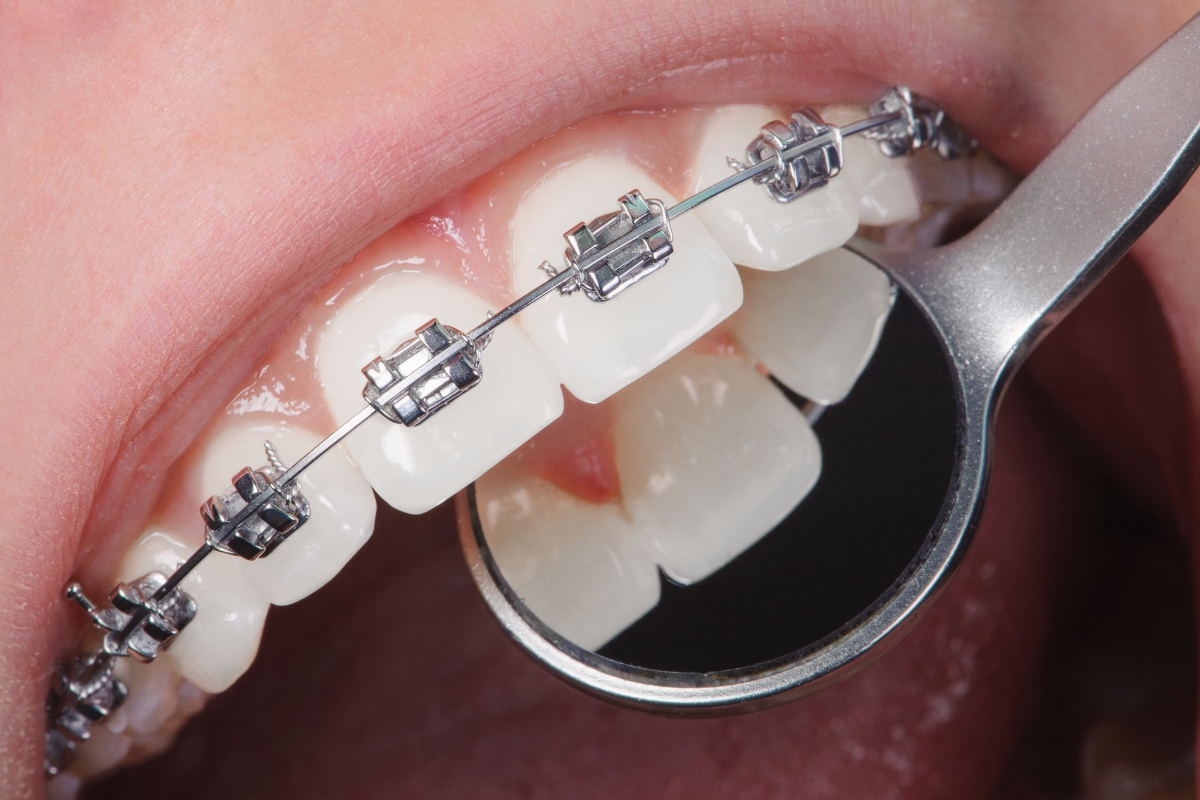
Both systems rely on the same basic orthodontic process. Brackets are bonded to the teeth and connected by an archwire. The wire applies gentle, continuous pressure. This pressure gradually guides the teeth through the supporting bone.
Elastic ties or other components may be used to hold the wire in place. Some patients also need rubber bands to correct the relationship between the upper and lower teeth.
The treatment process generally includes:
- A clinical examination and diagnostic imaging
- Placement of brackets and archwires
- Progress visits and periodic adjustments
- Removal after the planned movements are complete
- Retainer wear to help maintain the result
The appliance color does not determine how quickly teeth move. Case complexity, growth, oral health, broken brackets, elastic wear, and appointment attendance can all affect the timeline.
Appearance and Materials
The most noticeable difference is color. Traditional metal braces have a bright silver appearance. They can be paired with clear or colorful elastic ties, depending on the patient’s preferences.
Gold braces have a smooth, warm-toned finish that may complement jewelry and different skin tones. The brackets are not made from solid gold. Instead, a genuine gold layer covers the stainless-steel components. The practice reports that the plating resists corrosion and tarnishing under normal treatment conditions.
Anyone with a known metal sensitivity should disclose it during the consultation. A gold coating may reduce direct contact with the underlying alloy, but it does not automatically make every component nickel-free. The orthodontist should review the materials used before treatment begins.
Cost and Insurance Considerations
Traditional metal braces are commonly the baseline fixed-appliance option. A gold-plated system may incur an additional fee due to its coating and finish. However, there is no universal price difference. Fees depend on the appliance, treatment complexity, treatment length, and office policies.
Dental insurance benefits may apply to eligible orthodontic treatment, but plans frequently limit coverage by age, lifetime maximum, or percentage. Cosmetic upgrades may not receive additional coverage.
Before choosing an appliance, ask for a written estimate that explains:
- The complete treatment fee
- What diagnostic records are included
- Whether the gold finish adds a charge
- Insurance estimates and limitations
- Available payment arrangements
- Retainer and follow-up costs
Patients comparing gold braces in Mayfield Village can visit our dental office for a case-specific evaluation instead of relying on nationwide price ranges.
Comfort and Treatment Length
Both options may cause mild pressure or soreness after placement and adjustments. This sensation usually decreases as the mouth adapts. Orthodontic wax can cover a bracket that temporarily rubs the cheek or lip.
The practice describes its gold-plated brackets as smooth and rounded. Even so, comfort varies by patient, and any fixed appliance can cause temporary irritation.
Parker’s service page estimates treatment at approximately 18 to 24 months, depending on individual needs. More complex bite correction may take longer, while limited tooth movement may require less time. Your orthodontist can provide a more meaningful estimate after reviewing your records.
Daily Care and Food Choices
Care requirements are nearly identical for both options. Plaque can collect around brackets, increasing the risk of swollen gums, cavities, and permanent white marks.
Protect your teeth and appliance by following these habits:
- Brush for two minutes after meals and before bed.
- Clean carefully above and below every bracket.
- Floss daily with a threader or orthodontic flosser.
- Use an interproximal brush around wires.
- Choose fluoride toothpaste without abrasive ingredients.
- Avoid caramel, taffy, popcorn, nuts, and hard candy.
- Cut firm fruits and vegetables into small pieces.
- Continue regular dental cleanings and examinations.
A soft-bristled brush and non-abrasive toothpaste may also help preserve the plated finish. Report a loose bracket or a displaced wire promptly, as appliance damage can interrupt tooth movement.
Which Braces Should You Choose?
Choose traditional metal braces if you prefer the familiar silver appearance or want to avoid a possible upgrade fee. Consider the gold option if visual style will help you feel more confident and committed throughout treatment.
Both can address many alignment and bite concerns. The right choice depends on your diagnosis, material sensitivities, budget, and personal preferences. A consultation with an orthodontist can confirm whether either appliance is suitable for your smile.
Choose a Smile Style That Motivates You
Your braces will be part of your smile for many months, so appearance can matter. Gold braces in Mayfield Village combine dependable fixed-appliance treatment with a polished, expressive finish. Contact Parker Orthodontics to book an appointment and learn whether this option fits your alignment needs, lifestyle, and treatment goals.
Frequently Asked Questions
Q 1. Do gold-colored brackets straighten teeth faster?
Ans: No. Their finish does not make teeth move faster. Treatment speed depends on the alignment problem, biological response, appliance condition, and how closely you follow instructions. Consistent appointments and elastic wear can help treatment remain on schedule.
2. Does the gold coating fade or tarnish?
Ans: The finish is designed to resist corrosion and maintain its appearance during treatment. Using non-abrasive toothpaste and a soft toothbrush can help protect it. If you notice an unexpected change, have the appliance inspected at your next visit.
Q 3. Are gold-plated brackets made from solid gold?
Ans: No. They generally consist of durable stainless-steel brackets covered with a thin layer of gold. This construction combines the mechanical strength of metal with a warm, polished color.
Q 4. Are they suitable for adults and teenagers?
Ans: Yes. They may be considered for teenagers and adults who need fixed orthodontic treatment. Candidacy depends on dental health, alignment needs, bite concerns, and the patient’s ability to maintain proper hygiene.
Q 5. Can I eat normally during treatment?
Ans: You can enjoy a varied diet, but avoid hard, sticky, and chewy foods that may loosen brackets or bend wires. Cut apples, carrots, pizza crust, and similar foods into smaller pieces rather than biting into them.