6519 Wilson Mills Rd. Suite 100 Mayfield Village, OH 44143


By Parker Orthodontics | July 6, 2026
Have you noticed your child’s teeth coming in unevenly or wondered whether their bite looks normal? Many parents ask when a child should get braces, especially as permanent teeth begin replacing baby teeth. The answer depends on your child’s dental development, jaw growth, and how their teeth fit together rather than age alone. Recognizing the early signs allows orthodontic concerns to be addressed before they become more complex.
At Parker Orthodontics, Dr. H. Parker carefully evaluates every child’s smile, facial growth, and bite to determine the right time for treatment. Families exploring metal braces in Mayfield Village often discover that an early evaluation provides reassurance, even if treatment is not immediately necessary. This guide explains the signs to watch for, the ideal timing for care, and how early monitoring can support a healthier smile as your child grows.
Why Does the Timing of Orthodontic Treatment Matter?
The right timing allows an orthodontist to monitor jaw growth, guide the development of teeth, and recommend treatment only when it offers the greatest benefit.
Many parents believe orthodontic treatment begins only after all permanent teeth have erupted. In reality, children’s mouths develop in stages, and certain concerns are easier to manage while the jaws are still growing.
The American Association of Orthodontists recommends a first orthodontic visit around age seven. This does not mean every child needs treatment immediately. Instead, a child orthodontic evaluation helps identify developing concerns before they become more difficult to correct.
An early examination allows an orthodontist to evaluate:
- Tooth eruption patterns
- Jaw development
- Bite alignment
- Arch development
- Existing or future crowding
- Space available for permanent teeth
- Overall dental development
Many children simply continue with orthodontic monitoring until the appropriate treatment phase begins.
What Is the Best Age for Traditional Metal Braces?
Most children begin comprehensive treatment between ages 10 and 14, after most permanent teeth have erupted.
Parents frequently ask about the best age for braces, but there is no single age that fits every child. The timing depends on how quickly the mouth develops and whether bite issues interfere with normal growth.
Many children enter what orthodontists call the mixed dentition stage, when both baby and permanent teeth are present. During this period, the orthodontist monitors how the teeth erupt and whether there is enough space for proper alignment.
Children may benefit from traditional braces for kids when they have:
- Most permanent teeth have erupted
- Stable jaw growth
- Moderate to severe crowding
- Bite problems requiring correction
- Teeth that are difficult to clean because of poor alignment
Beginning treatment at the appropriate stage often leads to a smoother orthodontic process than waiting until problems become more severe.
What Are the Early Signs Your Child May Need Braces?
Crowding, bite problems, spacing issues, and difficulty chewing are among the earliest indicators that your child should receive an orthodontic evaluation.
Many parents wonder, does my child need braces, even when their child’s smile appears healthy. Some orthodontic concerns are obvious, while others become noticeable only during routine examinations.
Crowded or Overlapping Teeth
One of the most common reasons children receive orthodontic treatment for children is crowded teeth. When there is insufficient room for incoming permanent teeth, they may rotate, overlap, or erupt outside the normal arch.
Bite Doesn’t Line Up Properly
Your child’s bite should allow the upper and lower teeth to meet comfortably. Problems involving overbite, underbite, crossbite, or open bite may affect chewing, speech, and long-term oral health if left untreated.
Large Gaps Between Teeth
Some spacing is normal while baby teeth are present. However, unusually spaced teeth after permanent teeth erupt may indicate underlying alignment concerns that deserve professional evaluation.
Difficulty Biting or Chewing
Children who avoid certain foods or complain of discomfort while eating may have bite irregularities that affect normal function.
Mouth Breathing or Thumb Sucking History
Long-term thumb sucking and persistent mouth breathing can influence jaw development, facial growth, and tooth positioning during childhood.
Teeth That Stick Out
Protruding teeth may be more vulnerable to accidental injury during sports or everyday activities. Early evaluation helps determine whether treatment should begin during growth.
Even if only one of these signs appears, scheduling a braces consultation allows an orthodontist to determine whether treatment is needed now or whether continued observation is the better choice.
Can Early Orthodontic Treatment Prevent Bigger Problems Later?
In some children, yes. Early orthodontic treatment can guide jaw growth and create room for incoming permanent teeth. However, not every child needs treatment at a young age.
Parents often hear about early orthodontic treatment and wonder if they should start as soon as possible. The reality is that treatment should begin only when it provides a clear clinical benefit. An orthodontic evaluation helps determine whether immediate care or continued monitoring is the better option.
Early intervention may be recommended when a child has:
- Significant braces for bite problems
- Severe braces for crowded teeth
- Early loss of baby teeth
- Teeth erupting in the wrong position
- Narrow dental arches affecting arch development
- Jaw growth differences that become more noticeable over time
When treatment begins at the right stage, it can encourage healthier tooth alignment, improve occlusion, and support normal facial growth while the jaws are still developing.
Many children, however, simply benefit from regular checkups until the timing is right for comprehensive treatment.
What Happens During Your Child’s First Orthodontic Evaluation?
The first visit focuses on diagnosis, not treatment. The orthodontist evaluates growth, tooth eruption, and bite development before recommending the next steps.
A child orthodontic evaluation is designed to answer parents’ questions and provide a clear picture of their child’s oral development. Most appointments are comfortable and involve no procedures.
During the visit, the orthodontic team typically:
- Reviews dental and medical history.
- Examines permanent teeth and remaining baby teeth.
- Evaluates bite alignment and overall malocclusion.
- Assesses jaw development and facial symmetry.
- Takes digital images or X-rays when needed.
- Discusses treatment timing and future monitoring.
Many parents are relieved to learn that treatment does not always begin immediately. Sometimes, regular orthodontic monitoring is the most appropriate recommendation until additional permanent teeth erupt.
At Parker Orthodontics, Dr. H. Parker explains every finding in straightforward language, helping families understand what is normal, what should be monitored, and when treatment may become beneficial.
Can Waiting Too Long Affect Orthodontic Treatment?
Delaying treatment does not always create problems, but certain bite and growth issues become more difficult to correct after jaw growth slows.
Parents often ask whether they can “wait another year.” The answer depends on the specific orthodontic concern.
Some spacing issues simply require observation. Other conditions involving bite correction, jaw growth, or severe crowding may become more complex if they are ignored during active growth.
Delaying an evaluation may lead to:
- Increased crowding as more permanent teeth erupt
- Greater difficulty correcting an overbite, underbite, or crossbite
- Additional wear caused by an uneven healthy bite
- Reduced space for erupting teeth
- More complicated treatment planning later
That does not mean every child requires immediate treatment. Instead, regular orthodontic checkups help determine the ideal time to begin orthodontic treatment for each child, based on their development.
Families considering metal braces in Mayfield Village often find that an early evaluation provides peace of mind, even if treatment is recommended months or years later.
How Can Parents Support Their Child Before Treatment Begins?
Parents play an important role in helping children prepare for orthodontic care. Healthy habits before treatment often make the process smoother once appliances are placed.
You can help by:
- Encouraging consistent brushing and flossing.
- Keeping routine dental cleanings on schedule.
- Watching for changes in tooth eruption.
- Asking about thumb sucking or mouth breathing if those habits continue.
- Scheduling recommended orthodontic evaluations rather than waiting for visible problems.
Many parents worry that their child is “too young” or “too old.” A professional evaluation removes the guesswork and provides guidance based on your child’s individual growth rather than age alone.
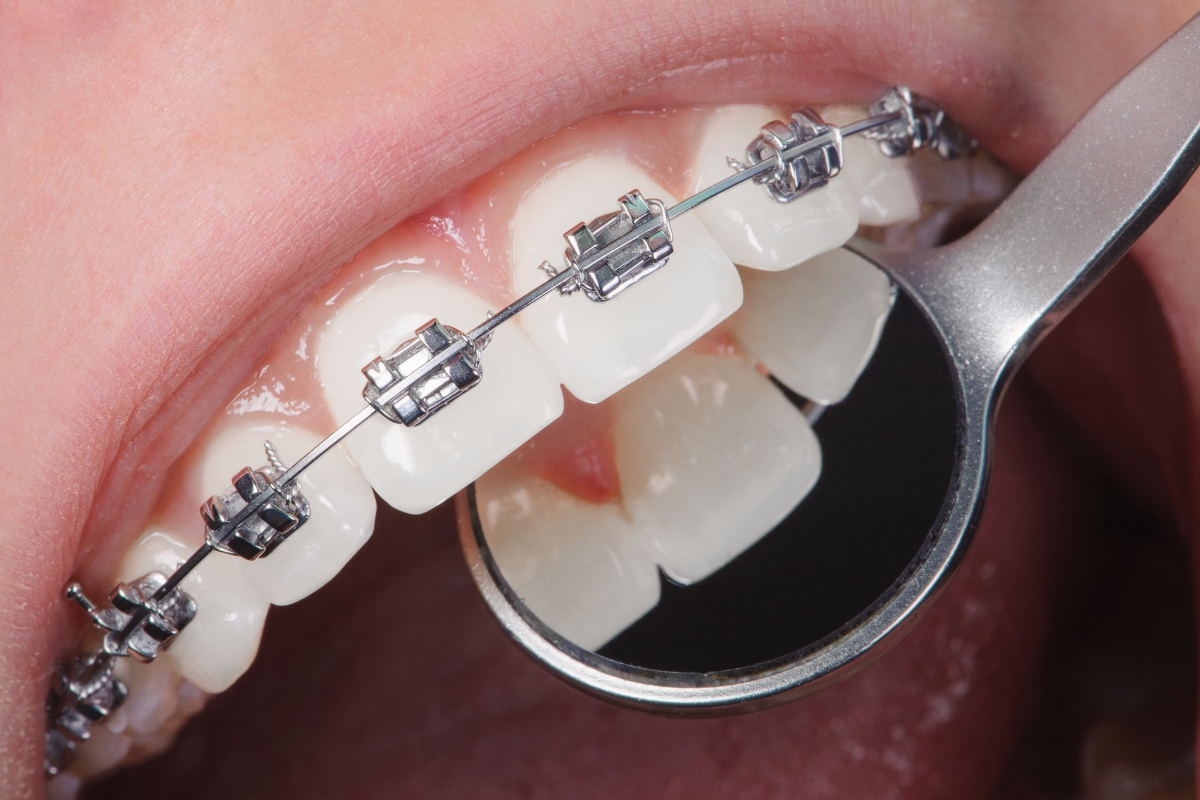
If treatment is recommended, traditional metal braces remain one of the most reliable options for correcting crowding, spacing, and bite concerns in growing children. Depending on your child’s needs, the orthodontist may also discuss complementary options such as Phase 1 treatment or retainers after active care, when appropriate.
Help Your Child Build a Healthy Smile at the Right Time
Every child develops differently, and there is no single age that works for everyone. The key is identifying concerns early enough to determine whether treatment is needed now or simply monitored as your child’s smile continues to grow. A timely orthodontic evaluation can provide valuable answers and help parents make confident decisions without unnecessary treatment.
At Parker Orthodontics, Dr. H. Parker takes the time to evaluate your child’s oral development, explain every recommendation, and discuss the most appropriate treatment timeline. Families from Mayfield, Mayfield Heights, Highland Heights, Gates Mills, Lyndhurst, and surrounding communities trust the practice for personalized orthodontic care focused on long-term oral health. If you’re considering metal braces in Mayfield Village for your child, scheduling a consultation is the first step toward achieving a healthier, more confident smile with traditional metal braces when the timing is right.
Frequently Asked Questions
1. When Should My Child Have Their First Orthodontic Evaluation?
Most orthodontists recommend scheduling the first evaluation around age seven. At this stage, enough permanent teeth have erupted to identify developing bite or alignment concerns. Even if treatment is not necessary, an early assessment allows the orthodontist to monitor growth and recommend the ideal time to begin care if needed.
2. How Do I Know If My Child Needs Traditional Metal Braces?
Children with crowded teeth, bite problems, noticeable spacing, protruding teeth, or difficulty chewing may benefit from an orthodontic evaluation. Since many issues are not obvious at home, a professional examination provides the most accurate assessment and helps determine whether treatment or continued observation is appropriate.
3. Can My Child Wait Until All Permanent Teeth Come In?
Sometimes, yes, but not always. Certain jaw growth and bite concerns are easier to address while children are still developing. An orthodontic evaluation helps determine whether waiting is appropriate or whether earlier treatment could simplify future care and improve long-term oral health.
4. Are Traditional Metal Braces Still A Reliable Option For Children?
Yes. Traditional metal braces remain one of the most effective treatment options for correcting crowded teeth, spacing issues, and complex bite problems. Modern brackets are smaller and more comfortable than in the past, allowing children to receive predictable treatment while maintaining their daily routines.