6519 Wilson Mills Rd. Suite 100 Mayfield Village, OH 44143


By Parker Orthodontics | July 15, 2026
The teenage years are often the ideal time to straighten teeth. As permanent teeth settle into place and the jaw is still developing, orthodontic treatment can correct bite problems, improve alignment, and create a healthier smile that lasts well into adulthood.
One of the most common questions parents ask is whether their teen should choose Invisalign clear aligners or traditional braces. Both options are highly effective, but the right choice depends on your child’s lifestyle, orthodontic needs, and commitment to treatment.
At Parker Orthodontics in Mayfield Village, OH, our goal is to help families make informed decisions based on individual needs rather than trends. Understanding how each treatment works can help you feel confident about the next step.
Why Orthodontic Treatment During the Teen Years Matters
The teenage years offer a unique opportunity to guide teeth into healthier positions while the mouth is still growing. Addressing alignment concerns early can help prevent future complications, including uneven tooth wear, jaw discomfort, and difficulty maintaining good oral hygiene.
Orthodontic treatment can improve:
- Crowded teeth
- Gaps between teeth
- Overbites
- Underbites
- Crossbites
- Open bites
- Jaw alignment
Beyond oral health, properly aligned teeth often boost confidence during an important stage of social and academic development. Many teens become more comfortable smiling, speaking, and participating in activities after treatment.
What Is Invisalign?
Invisalign uses a series of custom-made, transparent plastic aligners that gradually move teeth into their desired positions. Every one to two weeks, your teen switches to a new set of aligners, each designed to continue the movement planned by the orthodontist.
Because the aligners are removable, teens can take them out while eating, brushing, flossing, or participating in certain activities.
The nearly invisible appearance makes Invisalign mayfield especially appealing for teens who prefer a more discreet orthodontic treatment.
How Do Traditional Braces Work?
Traditional braces use metal brackets attached to each tooth along with an archwire that gently guides teeth into better alignment. During regular adjustment appointments, the orthodontist carefully modifies the wire to continue tooth movement.
Today’s braces are smaller, more comfortable, and more efficient than older versions, making treatment easier than many parents remember from their own childhood.
Unlike removable aligners, braces stay on the teeth throughout treatment, allowing continuous correction around the clock.
Appearance: Which Option Is More Discreet?
For many teenagers, appearance is one of the biggest factors when choosing orthodontic treatment.
Invisalign aligners are made from clear plastic and fit closely over the teeth. Most people won’t even notice your teen is wearing them during conversations, school activities, or photographs.
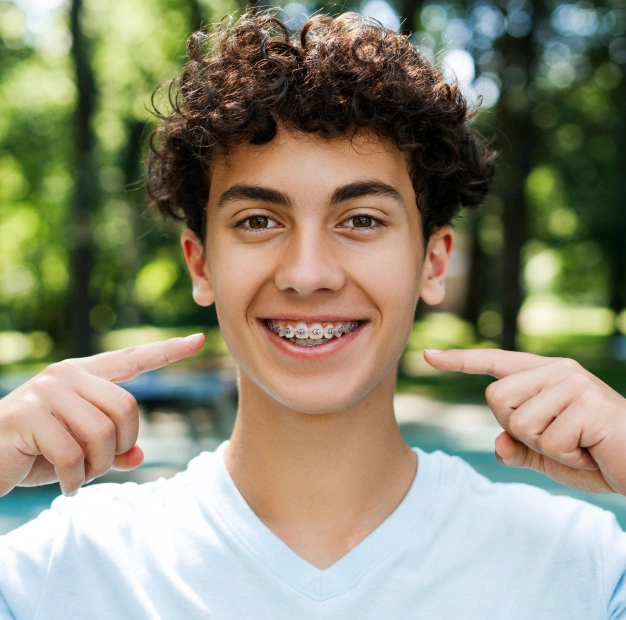
Traditional braces are much more noticeable because the brackets and wires remain visible whenever your teen smiles or speaks. While many teens proudly wear braces today—and even personalize them with colorful bands—others may prefer a treatment option that blends into their natural smile.
If appearance is the top priority, Invisalign generally has the advantage.
Comfort During Treatment
Every orthodontic treatment involves gentle pressure as teeth move into new positions, but the experience differs between Invisalign and braces.
With Invisalign:
- Smooth plastic aligners reduce irritation.
- No metal brackets rub against the lips or cheeks.
- New aligners may create mild pressure for the first day or two.
With traditional braces:
- Brackets and wires may occasionally irritate soft tissues.
- Adjustments can cause temporary soreness.
- Orthodontic wax helps relieve minor irritation.
Most teens adapt quickly regardless of the treatment they choose.
Eating Your Favorite Foods
Food restrictions are another major consideration.
One of Invisalign’s biggest advantages is that aligners are removed before meals. This means teens can continue enjoying popcorn, apples, pizza crust, corn on the cob, nuts, and other favorite foods without worrying about damaging appliances.
Braces require more caution. Sticky, chewy, crunchy, or hard foods can bend wires or break brackets, leading to unexpected repair appointments and potentially longer treatment times.
For active teens who enjoy a wide variety of foods, Invisalign offers greater flexibility.
Oral Hygiene Is Easier with Invisalign
Keeping teeth clean during orthodontic treatment is essential.
With Invisalign, teens simply remove the aligners before brushing and flossing. Since there are no brackets or wires to work around, maintaining excellent oral hygiene is generally much easier.
Braces require extra attention because food particles can become trapped around brackets and wires. Special brushes, floss threaders, or water flossers often help clean difficult areas.
Good oral hygiene is possible with either treatment, but Invisalign simplifies the daily routine.
Treatment Success Depends on Responsibility
This is one area where parents should carefully consider their teen’s personality.
Invisalign only works when the aligners are worn for approximately 20 to 22 hours every day. Removing them too often or forgetting to wear them consistently can delay progress and affect the final results.
Teens must remember to:
- Wear aligners as instructed.
- Store them safely during meals.
- Clean them daily.
- Switch to new aligners on schedule.
Braces don’t rely on patient compliance because they remain attached to the teeth at all times.
For highly responsible teens, Invisalign can be an excellent option. For teens who frequently lose things or struggle with routines, braces may provide more predictable treatment.
Which Treatment Works Faster?
There isn’t a single answer because treatment time depends on the complexity of each case.
Many Invisalign treatments finish in approximately 12 to 18 months, while braces often require 18 to 24 months. However, some complex orthodontic issues may take longer regardless of the treatment selected.
Consistent wear is critical for Invisalign. Missing several hours each day can extend treatment considerably.
The orthodontist develops a personalized treatment timeline after evaluating your teen’s bite, tooth positioning, and overall oral health.
Can Invisalign Treat Every Orthodontic Problem?
Invisalign technology has advanced significantly over the years and can successfully treat many orthodontic concerns, including:
- Mild to moderate crowding
- Gaps between teeth
- Certain bite problems
- Minor tooth rotations
However, braces may still be the better option for more complex orthodontic cases involving significant jaw discrepancies, severe crowding, impacted teeth, or complicated bite corrections.
An experienced orthodontist mayfield will recommend the treatment that offers the safest and most predictable outcome.
What About Sports and Musical Instruments?
Many teenagers participate in athletics, marching band, or orchestra.
Invisalign aligners can be removed temporarily for certain activities if instructed by the orthodontist, making them convenient for some musicians.
For athletes, both braces and Invisalign can be used safely. Teens with braces should wear a properly fitted orthodontic mouthguard during contact sports to protect both their teeth and orthodontic appliances.
The best option often depends on your teen’s daily schedule and extracurricular activities.
Cost Considerations
Parents often assume Invisalign always costs significantly more than braces, but that isn’t necessarily true.
The total investment depends on factors such as:
- Treatment complexity
- Length of treatment
- Type of orthodontic correction required
- Insurance coverage
- Available financing options
In many cases, the difference in cost between Invisalign and braces is smaller than expected. During your consultation, your orthodontic team can explain the treatment plan and available payment options.
How Parker Orthodontics Helps Families Choose
Choosing between Invisalign and braces isn’t about finding the newest treatment—it’s about selecting the one that fits your teen’s unique needs.
At Parker Orthodontics, every treatment begins with a comprehensive evaluation. We carefully assess your teen’s bite, tooth alignment, facial development, lifestyle, and treatment goals before making recommendations.
Rather than offering a one-size-fits-all solution, we work closely with parents and teens to explain the advantages of each option, answer questions, and create a personalized treatment plan that supports long-term success.
Our team is committed to helping families throughout Mayfield Village, OH, achieve healthy, confident smiles with compassionate care and modern orthodontic solutions.
Final Thoughts
Both Invisalign clear aligners and traditional braces are outstanding orthodontic treatments for teenagers. Neither option is universally better—the best choice depends on your teen’s orthodontic needs, level of responsibility, lifestyle, and personal preferences.
Invisalign offers outstanding aesthetics, fewer food restrictions, and easier oral hygiene, making it an attractive option for many responsible teens. Traditional braces continue to provide reliable, effective treatment for simple and complex orthodontic cases alike while requiring less day-to-day responsibility from the patient.
The most important step is receiving a professional orthodontic evaluation to determine which treatment will provide the healthiest, most lasting results. Schedule an appointment today and take the first step toward a healthier, more confident smile.
If you’re considering orthodontic treatment for your teenager, schedule a consultation with Parker Orthodontics at 6519 Wilson Mills Rd. Suite 100, Mayfield Village, OH 44143. Our experienced team is here to guide your family through every step of the journey and help your teen achieve a healthy, confident smile.
Frequently Asked Questions
Invisalign is an excellent option for many teens, but it isn’t ideal for every orthodontic case. A professional orthodontic evaluation will determine whether Invisalign can effectively address your teen’s specific alignment and bite concerns.
Both treatments create mild pressure as teeth move. Invisalign aligners are often considered more comfortable because they don’t include metal brackets or wires that may irritate the cheeks and lips.
Yes. Teens with braces can safely participate in sports by wearing an orthodontic mouthguard designed to protect both the teeth and the braces during athletic activities.
Contact your orthodontist as soon as possible. Depending on your teen’s treatment stage, they may be instructed to wear the previous aligner, move to the next one, or order a replacement.